


Evidence-Based Nutrition: A Clinical Imperative
Nutrition isn’t a gut feeling. It’s evidence.
We live in an age of abundance of information, opinions, and algorithm-driven health advice. But when it comes to nutrition, this abundance often breeds confusion. Dietary trends multiply, leaving patients and practitioners to navigate a maze of conflicting claims.
Evidence-Based Nutrition (EBN) is the antidote to this uncertainty.
Grounded in high-quality research—including systematic reviews and meta-analyses—EBN offers clear, actionable guidance for the prevention and management of disease. It cuts through misinformation and supports sustainable health outcomes rooted in science.
At PAN India, we champion Evidence-Based Nutrition to transform healthcare.
By integrating rigorously researched, plant-predominant dietary interventions into clinical practice, we empower doctors to prevent and manage chronic diseases more effectively.
Our mission is to help build a sustainable healthcare system; one that prioritises nutrition and lifestyle medicine to improve human health, reduce the burden of non-communicable diseases, and support planetary well-being.
Debunking Myths: Defining Science
PAN India’s approach to Evidence-Based Nutrition goes beyond general advice. It’s localised, clinically relevant, and tailored to India’s unique context: from regional dietary diversity to economic constraints and the dual burden of malnutrition.
We train healthcare professionals to navigate dietary misinformation and provide counselling backed by data. By promoting affordable, nutrient-rich foods like millets, we support scalable, community-level solutions.

Myth 1: India is predominantly vegetarian
Reality: According to the National Family Health Survey (NFHS-5, 2019–21), only around 30% of Indians identify as vegetarian, with wide regional variation. This challenges the stereotype and reinforces the need for intentional, plant-predominant dietary choices.
Common Myths and Realities
Myth 2: Nutrition advice is vague or unscientific
Reality: Dietary misinformation is widespread. However, national bodies like Indian Council of Medical Research – National Institute of Nutrition (ICMR-NIN) advocates for science-based guidance. PAN India fills this gap by training healthcare professionals using clinical research, including systematic reviews and meta-analyses.
Myth 3: Nutrition alone can not address India’s dual burden of malnutrition
Reality: Nutrition is central to addressing both undernutrition and the rise in lifestyle-related diseases. India accounts for over 33% of the world’s undernourished children (WHO, 2023), while rates of obesity and diabetes continue to climb.
PAN India’s evidence-based, plant-predominant approach (including the use of millets and other nutrient-dense foods) offers a scalable solution to both extremes.
India’s Dual Nutrition Burden
India faces a complex nutrition crisis. Undernutrition affects millions and is closely linked to high mortality rates. At the same time, overnutrition is fuelling a rise in diet-related conditions like obesity, diabetes, and hypertension.
Evidence-Based Nutrition offers a clear path forward. Grounded in high-quality research, EBN delivers reliable, reproducible results to guide scalable interventions and inform targeted, effective policy.
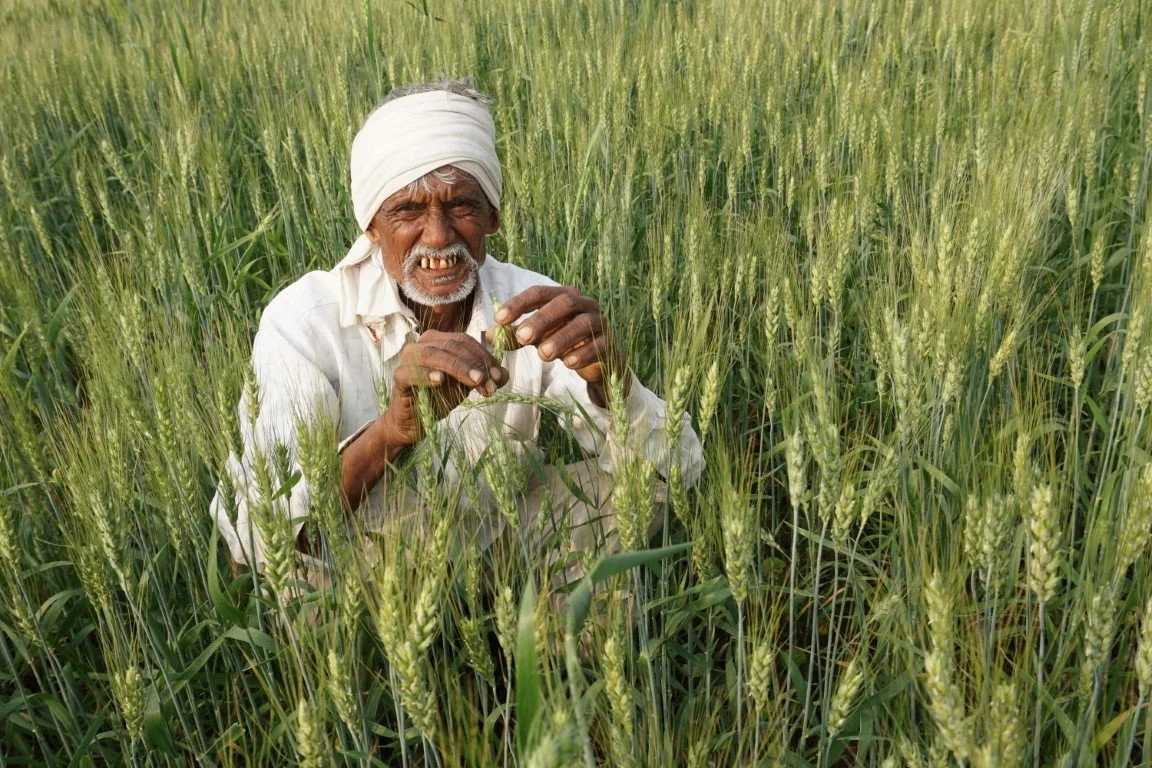
From crisis to clarity: Who benefits from Evidence Based Nutrition (EBN)

Doctors
Apply EBN in clinical practice to prevent and manage non-communicable diseases.

Public Health Policymakers
Use EBN to develop nutrition guidelines—from newborn care to national strategies addressing both under- and overnutrition.

Medical Institutions
Incorporate EBN into training and curricula as seen in AIIMS and other government institutions
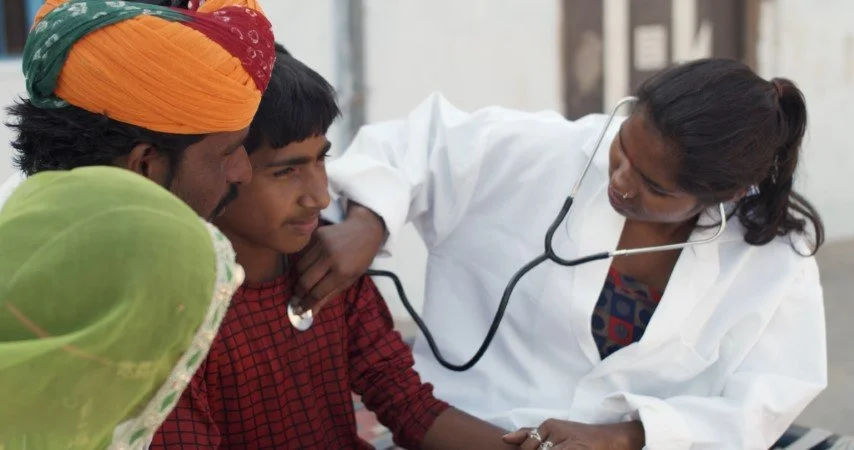
Patients & Communities
Neonates, children, and individuals living with chronic diseases benefit from improved outcomes driven by nutrition-first care.

Planetary Health Advocates
Plant-predominant nutrition reduces the environmental impact of food systems, supporting planetary sustainability alongside human health.
Nutrition in Action: The EBN Toolkit
Access practical, evidence-based resources, from expert talks and webinars to clinical tools to help you apply nutrition in real-world healthcare settings.